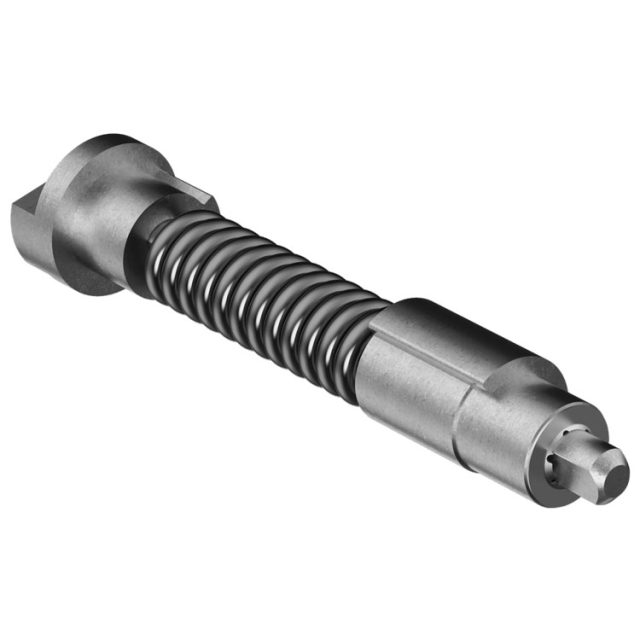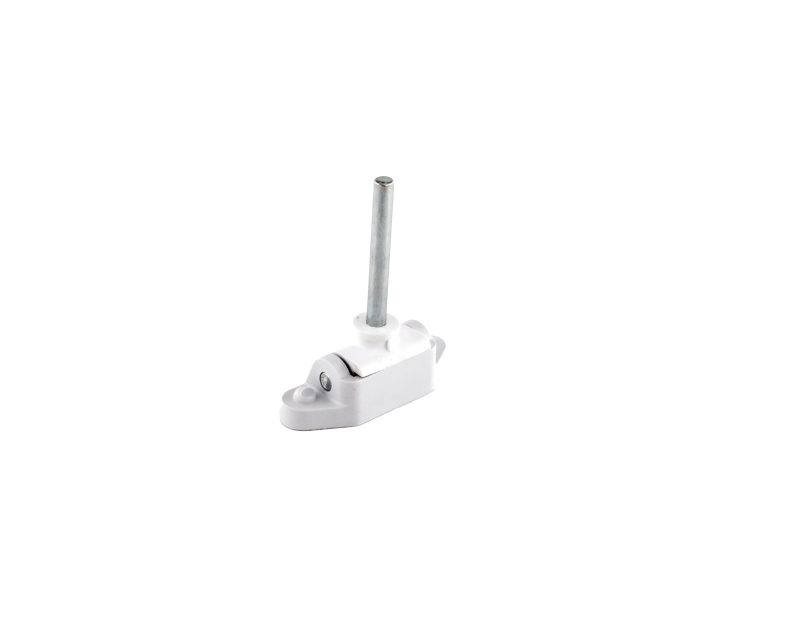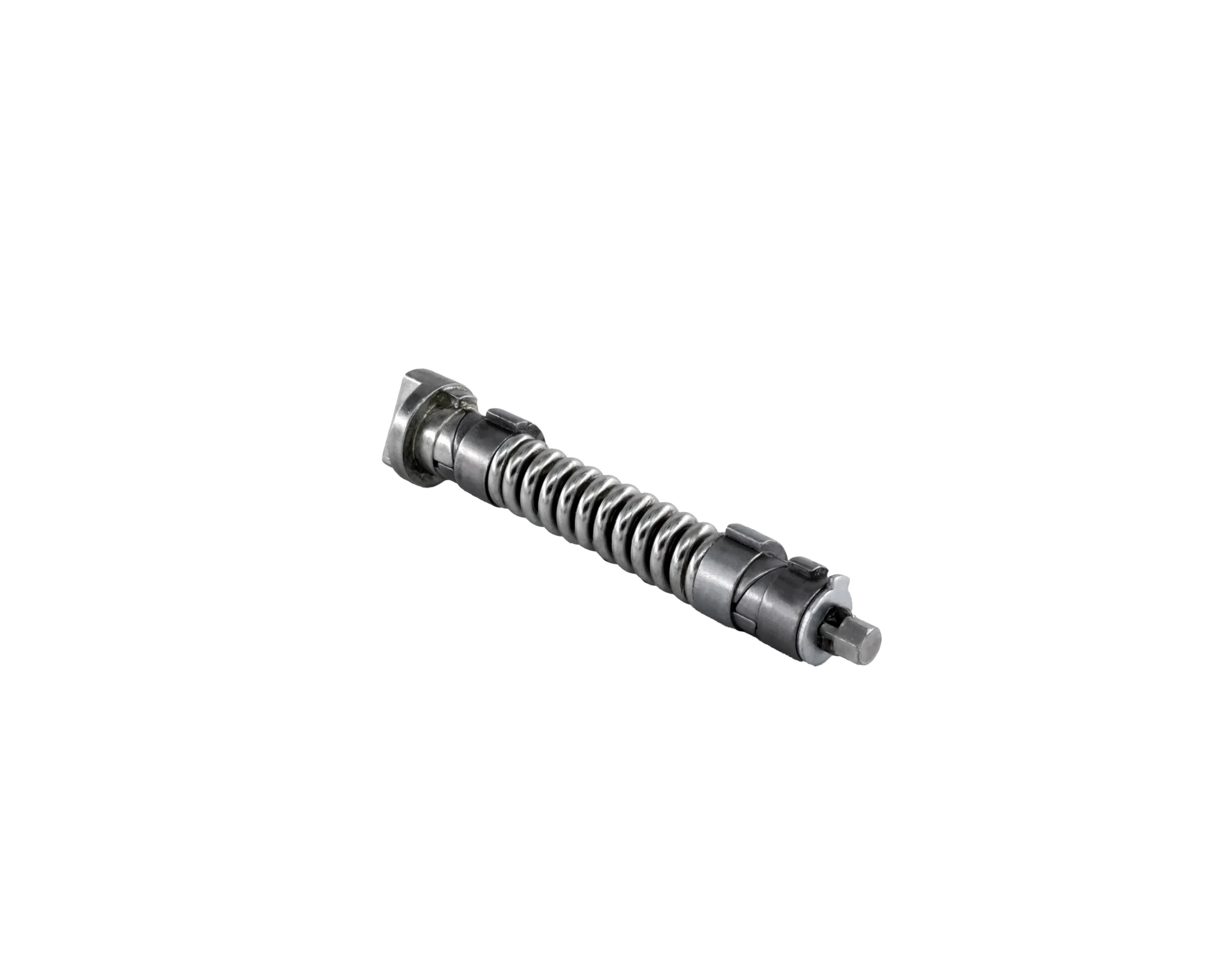
Top Cover Hinges

C13

Top Cover Hinges

Door weight
1.5 - 4 kg
Life cycle test
10.000 Cycles
Temperature
115 °C

C13 provides stable positioning and controlled movement within a compact structure. Its practical design supports efficient integration across a variety of appliance platforms.

Applications

  • Upper oven doors
  • Glass lid systems
  • Domestic cooking appliances
  • Small household appliances
  • Commercial kitchen equipment
  • Industrial access panels

Why C13?

  • Stable lid positioning characteristics
  • Suitable for glass lid applications
  • Controlled opening and closing movement
  • Compact and durable design
  • High-temperature operating capability
  • Reliable operation under repeated use
  • Cost-efficient integration
  • OEM manufacturing compatibility

C13

Technical Specifications

Values refer to the standard configuration; contact us for solutions tailored to your application.

Door weight1.5 - 4 kg
Life cycle test10.000 Cycles
Maximum distance from pivot point to centre of gravity300 mm
Operating temperature115 °C
  • All values shown are nominal reference values and may vary depending on application conditions, installation methods, product configuration, and testing parameters.
  • Life cycle test results are based on internal testing under defined laboratory conditions and should not be interpreted as a guarantee of service life in any specific application.
  • Maximum load values are application-dependent and should be verified based on installation conditions, mounting configuration, and operating requirements.

C13

About the Product

Product Overview

The Atasan C13 glass lid hinge has been developed for upper oven doors and glass lid applications requiring stable positioning, controlled movement, and reliable operation. Its compact structure and durable construction make it suitable for a variety of domestic appliance platforms where practical integration and consistent performance are important design considerations.
Designed for lightweight lid systems, the C13 supports balanced operation while maintaining compatibility with elevated-temperature appliance environments.
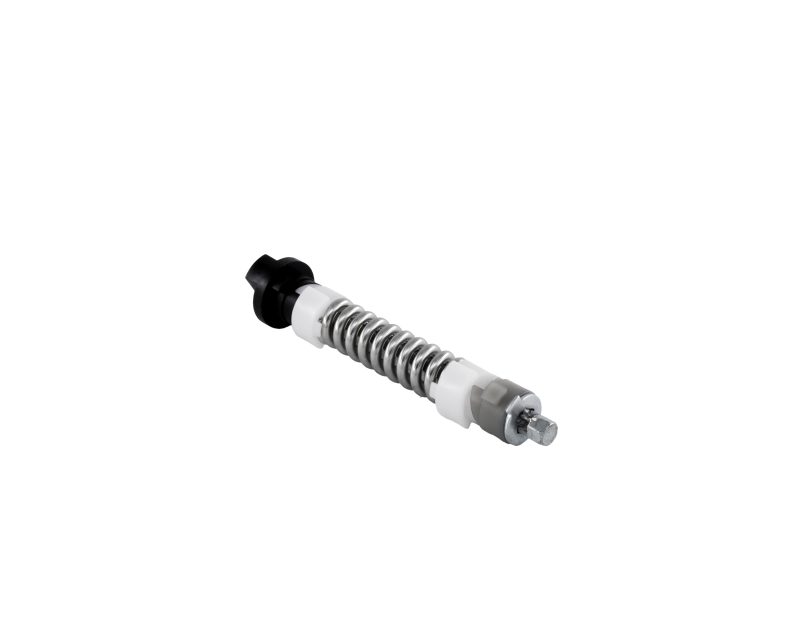
Stable Lid Positioning

The C13 is designed to provide controlled and predictable movement throughout the operating range.
Its mechanical structure supports stable positioning and practical operation for glass lids and upper door applications.

Benefits

-Stable lid positioning

-Controlled opening and closing movement

-Suitable for glass lid applications

-Consistent operating characteristics

-Practical user interaction

Compact & Durable Construction

The hinge features a compact architecture developed for appliance applications where space efficiency and durability are important.
Its structure supports reliable operation while maintaining compatibility with a wide range of appliance designs.

Structural Strength & Thermal Performance

The C13 is suitable for operating temperatures of up to 115°C, making it appropriate for cooking appliances and other heat-exposed applications.
Its design supports lid and door weights between 1.5 and 4 kg while maintaining stable operating characteristics during repeated use.

OEM Integration & Manufacturing

The compact design of the C13 supports efficient integration into appliance production environments.
Its straightforward architecture enables compatibility with high-volume manufacturing processes and repeatable assembly operations.

C13

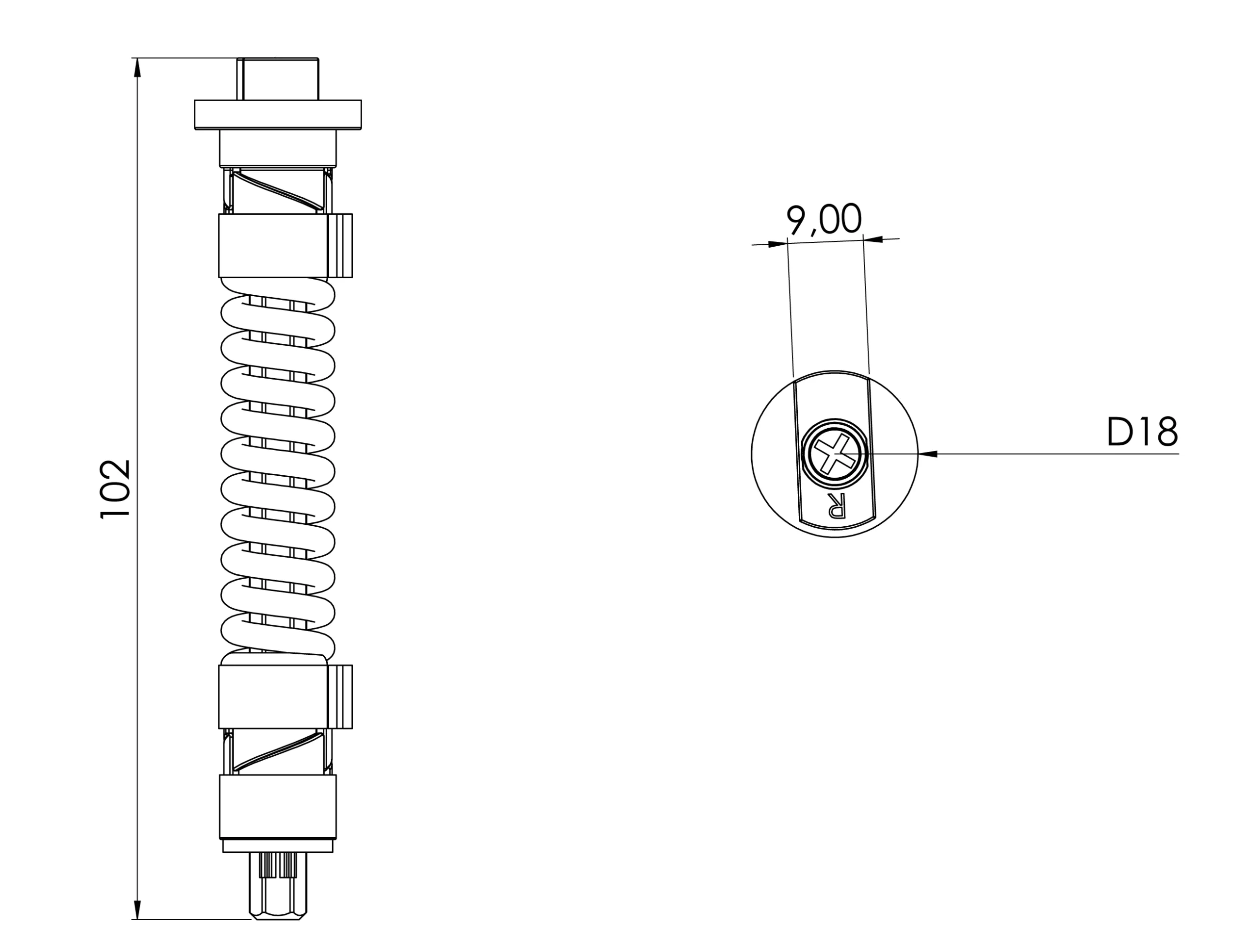
Technical Drawings

C13

Frequently Asked Questions

What is the maximum load capacity for the C13?

The C13 is designed to support door weights ranging from 1.5 – 4 kg, making it ideal for the specified category of appliances.

Is the C13 resistant to high temperatures?

Yes, it is rated for operation at temperatures up to 115°C, which is standard for high-heat appliance environments.

Has this hinge undergone cycle testing?

Yes, all Atasan hinges undergo rigorous life cycle testing (often up to 10,000 or 20,000 cycles) to ensure they meet international OEM standards.

Request a quote for this product

Tell us the size, force and angle requirements of your application.

  1. 01Needs analysis
  2. 02Solid model · 1–3 weeks
  3. 03First prototype · 2–3 weeks